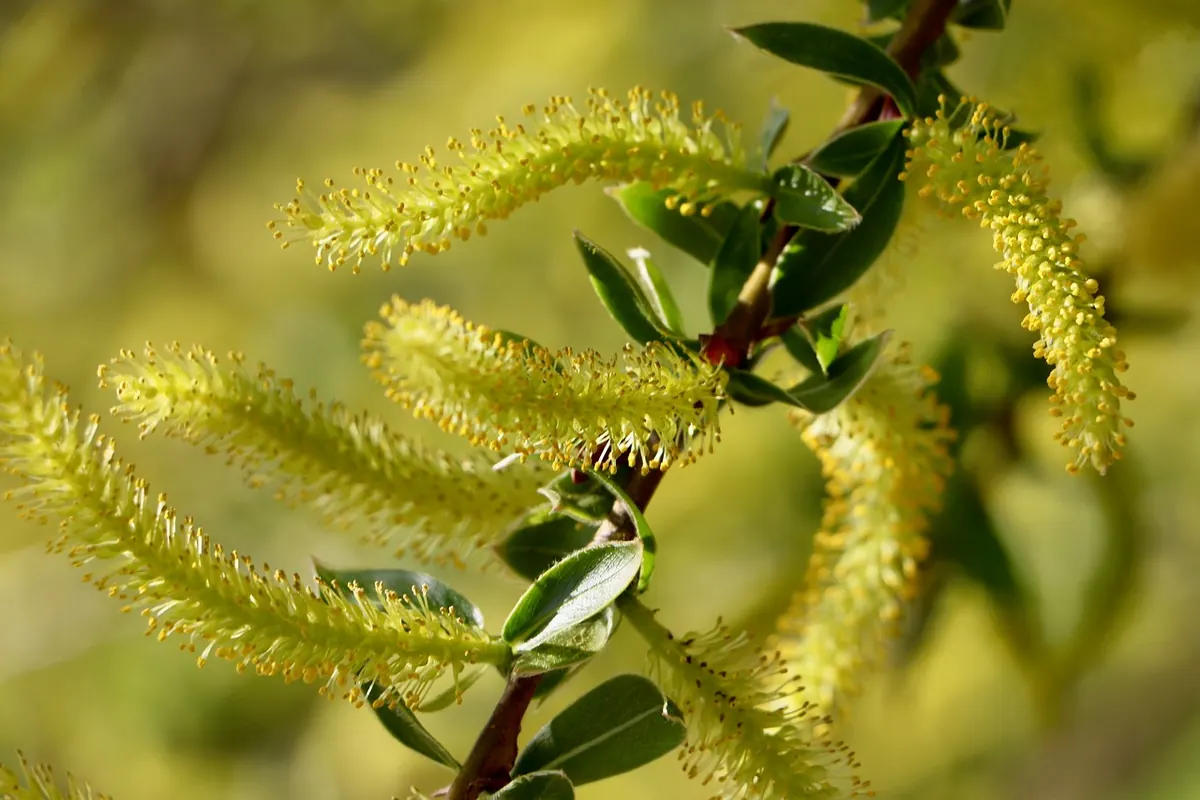
Field Comparison: Journaling a Willow in Spring Versus Autumn
Journal the same willow twice in a year: what to record on spring catkins and leaf burst, what to note in...

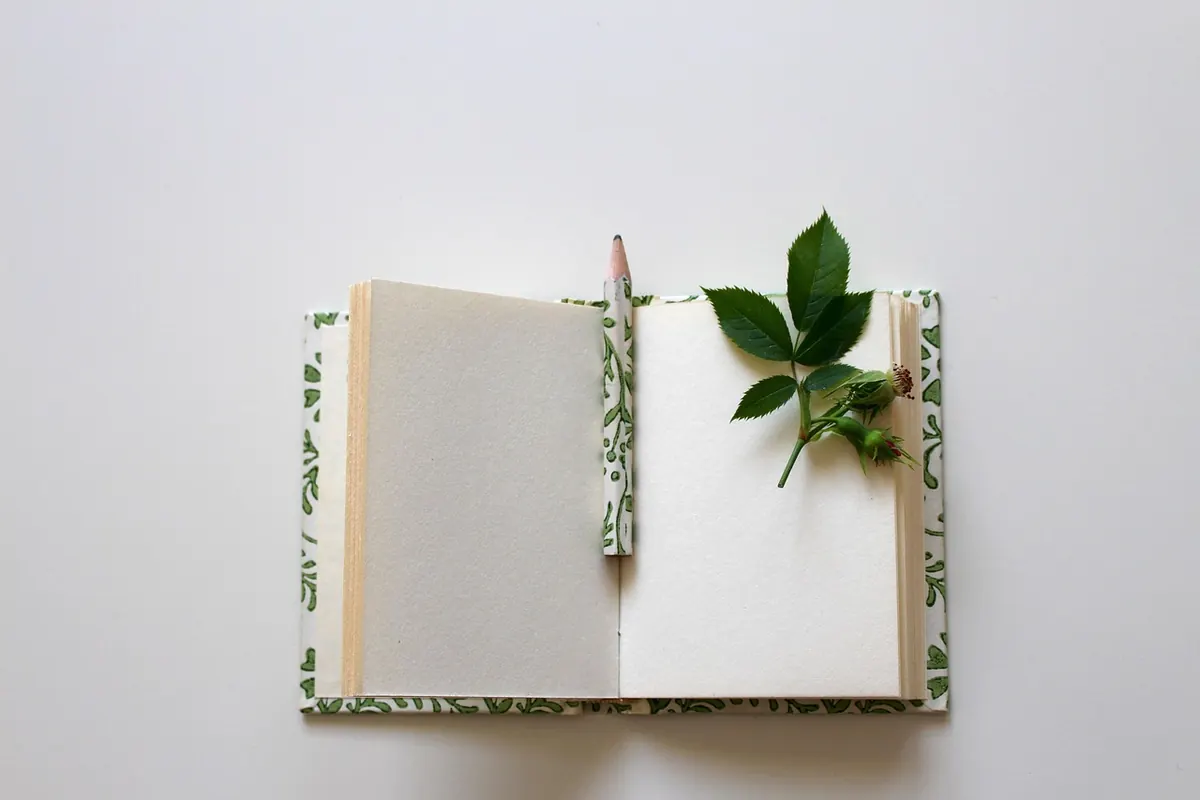
Most nature journals fail for a boring reason: the kit is too awkward to carry. A pencil and a pocket notebook remove that excuse. They fit in a coat pocket, they work in cold and drizzle, and the whole setup costs less than a decent sandwich.
What follows is the smallest workable version of the practice, plus a first entry you can finish in under fifteen minutes. All you need is a patch of ground, a window sill, or a weed growing out of a pavement crack.
There is a version of nature journaling that calls for a watercolour tin, three brushes, a folding stool and a free afternoon. It is lovely. It is also why many journals stay empty. The effort of assembling everything outweighs the reward of a quick entry, so the quick entry never happens.
A pencil earns its place beyond portability. It never dries out, it doesn't bleed through thin paper, it writes at any temperature, and it works when you are leaning against a tree. You can sharpen it with a knife. A softer grade covers ground quickly for shadow and tone. Ink is confident; graphite is forgiving, and on a first entry forgiving matters more.
Optional extras, in order of usefulness: a small eraser, a brass sharpener, a second pencil in a harder grade. Add nothing else until the notebook is full. Keep the kit in the same pocket or bag compartment every time, so retrieval becomes automatic rather than a decision.
Spend thirty seconds on a header. Date and time. The place in plain words, a street name is enough. The weather, including wind direction if you can feel it. The ground under you, whether that is wet grass, gravel, or dry concrete.
This header does more work than it seems. A page of drawings without one is a drawing. With one, it becomes evidence: something that happened at a particular hour in a particular place, and that you can compare against next month.
Then write a single sentence about why you stopped. Because the moss on this wall is a colour I can't name. That sentence becomes your brief for the next ten minutes, and it prevents the drifting that eats a short session.
Set a timer, or glance at your phone, and work through these in order. The timings are loose; the sequence matters more.
First entries usually look worse than the thing in front of you. That is fine, and it is also information. Note the error in the margin instead of erasing it: leaf drawn too wide, veins too few. A correction written down is a lesson; a page torn out is a lesson lost.
The page is a record of attention, not a portfolio piece. A wobbly sketch with good notes beats a tidy drawing with none.
This is also why the same subject rewards a second visit. Draw the leaf in June and again in October, and the two pages together say more than either one alone.
Some days you will sit down and find nothing worth drawing. Pick one of these and start moving the pencil.
Two or three short entries a week will teach you more than one heroic page a month. Set the bar absurdly low: five lines and a rough sketch still counts. The point is not output, it is that you keep looking.
Around the third week the entries start to feel repetitive, and that is the moment the practice begins working. Repetition is how you notice change: the same bench, the same wall, the same tree, drawn at intervals until the differences show.
Before you next leave the house, put the pencil and the notebook in the same pocket. Choose one spot you pass regularly: a bench, a bus stop, a length of wall outside work. Set a timer for fifteen minutes, write the header, pick a single subject, draw it large, add two lines of notes, and close the book.
Do the same thing tomorrow. The second entry is easier than the first, and the tenth is easier again.
Photo: Monfocus / Pixabay
Journal the same willow twice in a year: what to record on spring catkins and leaf burst, what to note in...
A seven-day journaling project that tracks temperature, rain, wind and wildlife on the same route at the...
A twenty-minute garden routine that gets children looking closely: simple prompts, quick drawing tasks,...