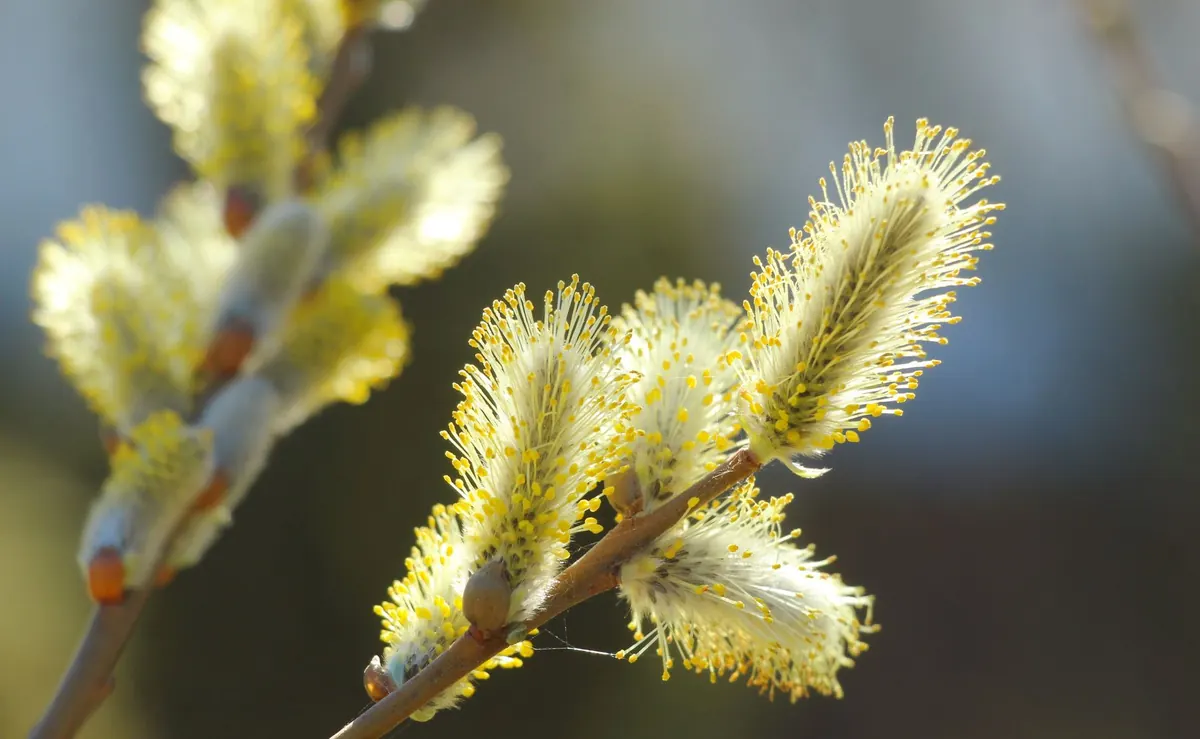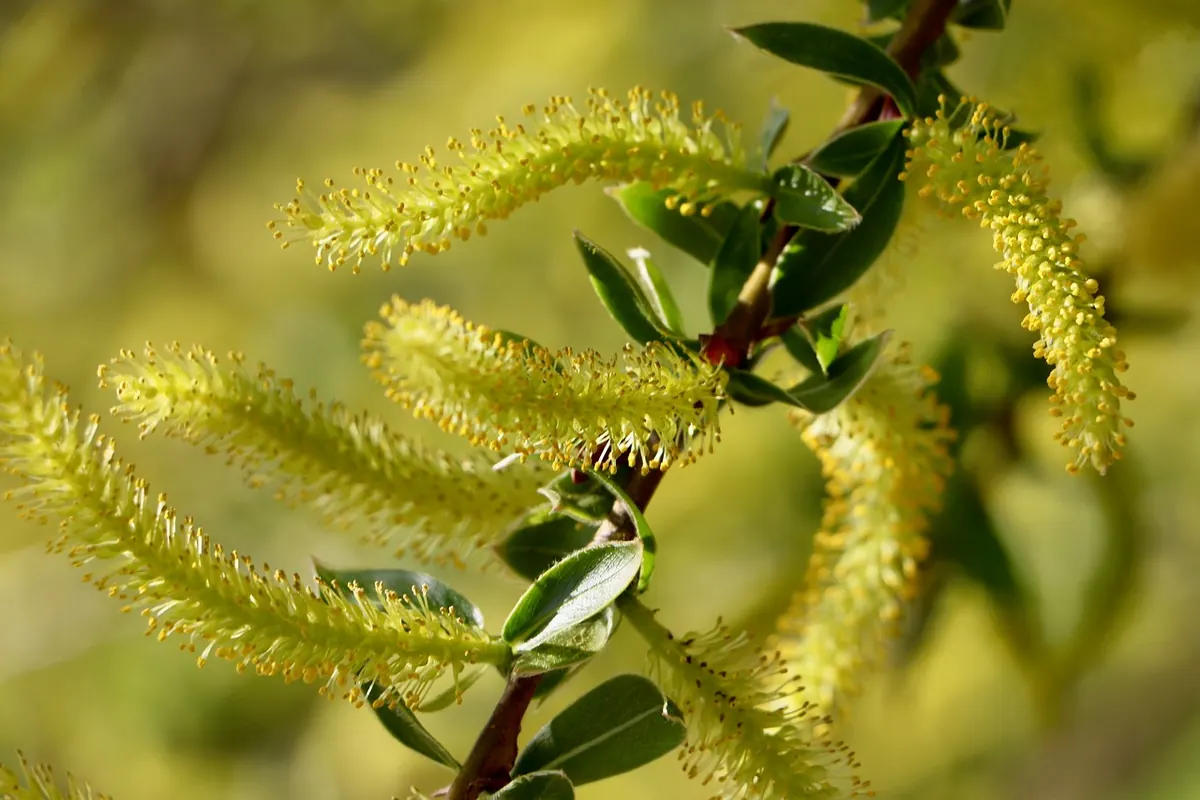
Field Comparison: Journaling a Willow in Spring Versus Autumn
Journal the same willow twice in a year: what to record on spring catkins and leaf burst, what to note in...


There is a particular quiet that arrives when a child kneels beside a pot of mint with a pencil in hand. It lasts about seven minutes. Then someone spots a woodlouse, and the whole thing starts again.
Twenty minutes is enough. Long enough for a child to stop treating the garden as wallpaper and start noticing it as something in progress; short enough that nobody's legs go numb. You need a notebook, a pencil, and a patch of ground you can both sit next to. No lesson plan, no expectation that the page ends up frameable.
What follows is a routine you can run on a Saturday morning, or on a weekday while the pasta water comes to the boil.
Keep the kit boring and small. A tin by the back door beats a bag you have to assemble, because the deciding factor is usually whether you can be outside in ninety seconds.
Then the short speech, which takes twenty seconds and saves an hour of friction. Three rules: nobody has to draw well; every page gets the date and the weather; nothing living gets picked or turned over unless it's put back exactly as it was. Say the third one clearly. A stone lifted and replaced is a good lesson in not wrecking what you're looking at.
One more thing, and it matters more than any prompt below: you draw too. If you sit with your own notebook open, a child will copy you. If you sit with your phone out, they'll copy that instead.
Start by doing nothing, which is the hardest part. Pick a spot — a step, a bench, the dry edge of a border — and sit for two minutes without speaking. Not a strict silence, just no questions and no pointing. Two minutes is longer than it sounds. Watch what happens to the fidgeting.
Then make a sound map. Draw a dot in the middle of the page for yourself, close your eyes, and mark each sound as a small symbol placed in the direction it came from: a tick for a blackbird, a spiral for a passing car, a wavy line for wind in the hedge. Add the temperature, the cloud, and whether the ground is wet. It's five lines of writing, and it turns the garden from scenery into a place with conditions.
Choose one. Three is too many for twenty minutes, and children will pick the one they like anyway.
Choose a square of ground you can cover with your hand without moving from where you sit. Now log it. How many different greens can you find inside it? How many moving things? Draw the three smallest things at the size they appear, then draw one of them again, enlarged. Children who insist there is "nothing here" will find six things inside that square within a minute, and the sixth is usually the good one.
An ant, a snail, a bee working the lavender, a spider in a web corner. The rule is that you stay with it. Draw its route as a single line across the page, numbering the stops where it paused or turned. Note what it touched and how it moved — jerkily, smoothly, in circles. Beetles are good for this because they are slow and indecisive. Bees are good because they leave.
Pick a plant you pass every day: a rose, a strawberry leaf, a weed in the paving. Draw it today, date the page, and note one measurement — the length of a leaf, the number of open flowers. Come back in a week and do it on the next page. A month later, a third time. This is the entry children return to, because change is what convinces them the garden is alive rather than a picture.
The protest arrives around minute six. Answer it with a task that removes the possibility of failure, because the point is looking, not producing.
Labels matter more than neatness. An arrow and one word — "hairy", "sticky", "warm" — turn a drawing into a record.
"What is that?" is the natural question and the least useful one, because it ends in a shrug or in a name that closes the subject. Try these instead:
When identification comes up — and it will — write the question in the margin with a question mark rather than guessing. Take a photo, look it up later, add the name on the next visit. A page of half-answered questions is a better journal than a page of confident errors.
It will. Twenty minutes isn't a test of endurance, and a child who leaves the page to chase a frog is still doing the work. Follow them. What the frog does next is an observation, and it goes in the notebook.
If interest drops at minute eight, stop at minute eight and note the reason — "too cold", "one bee, then none". Those notes become useful: you'll learn that late afternoon suits snails, and that windy days suit seeds and very little else. Ten good minutes beat twenty dutiful ones.
Same time, same spot, same tin by the door. Sunday morning before breakfast is a reliable slot; so is the ten minutes after school, when bags are dumped and hands need something to do. Date every page, even if the rest stays blank.
Once a month, read back through together. The first page will look thin and the tenth will be crowded, and that gap is the whole argument for keeping a journal. The garden hasn't changed much. The looking has.
Photo: Darkmoon_Art / Pixabay
Journal the same willow twice in a year: what to record on spring catkins and leaf burst, what to note in...
A seven-day journaling project that tracks temperature, rain, wind and wildlife on the same route at the...
A seasonal field guide to willow budburst: reading the single bud scale, telling male from female catkins,...