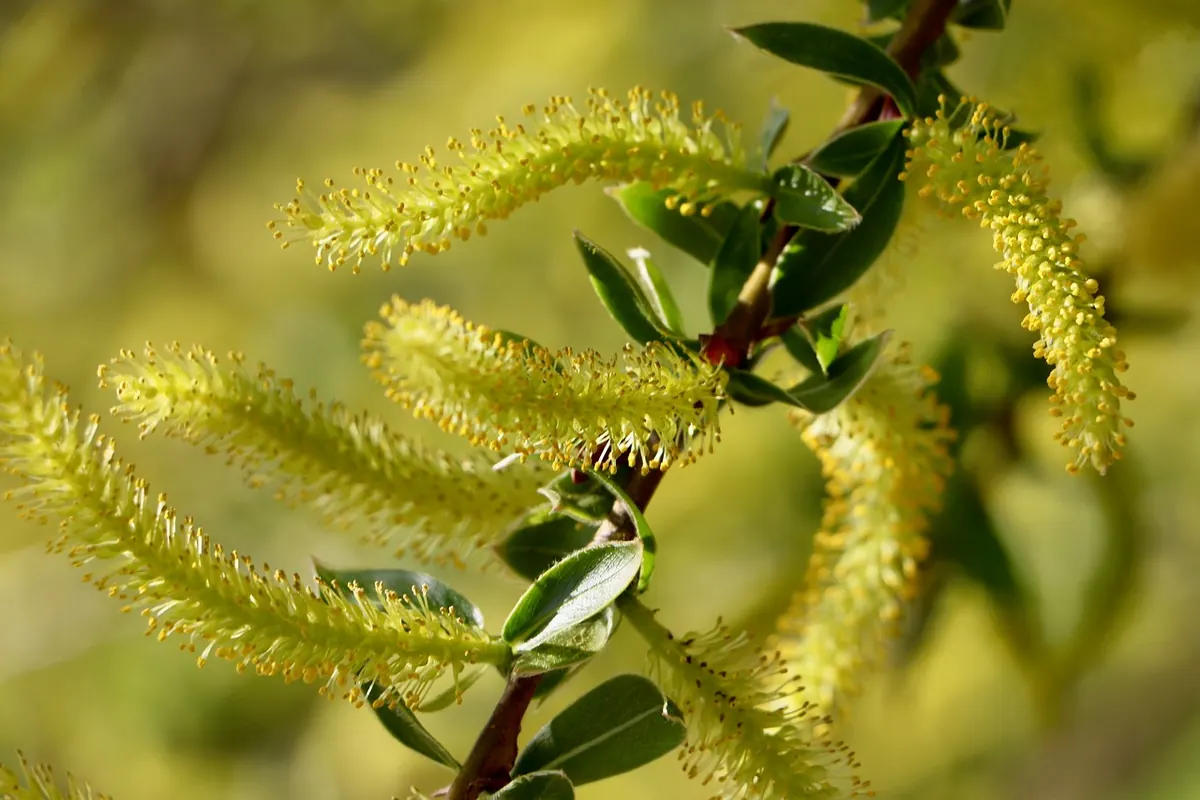
Field Comparison: Journaling a Willow in Spring Versus Autumn
Journal the same willow twice in a year: what to record on spring catkins and leaf burst, what to note in...

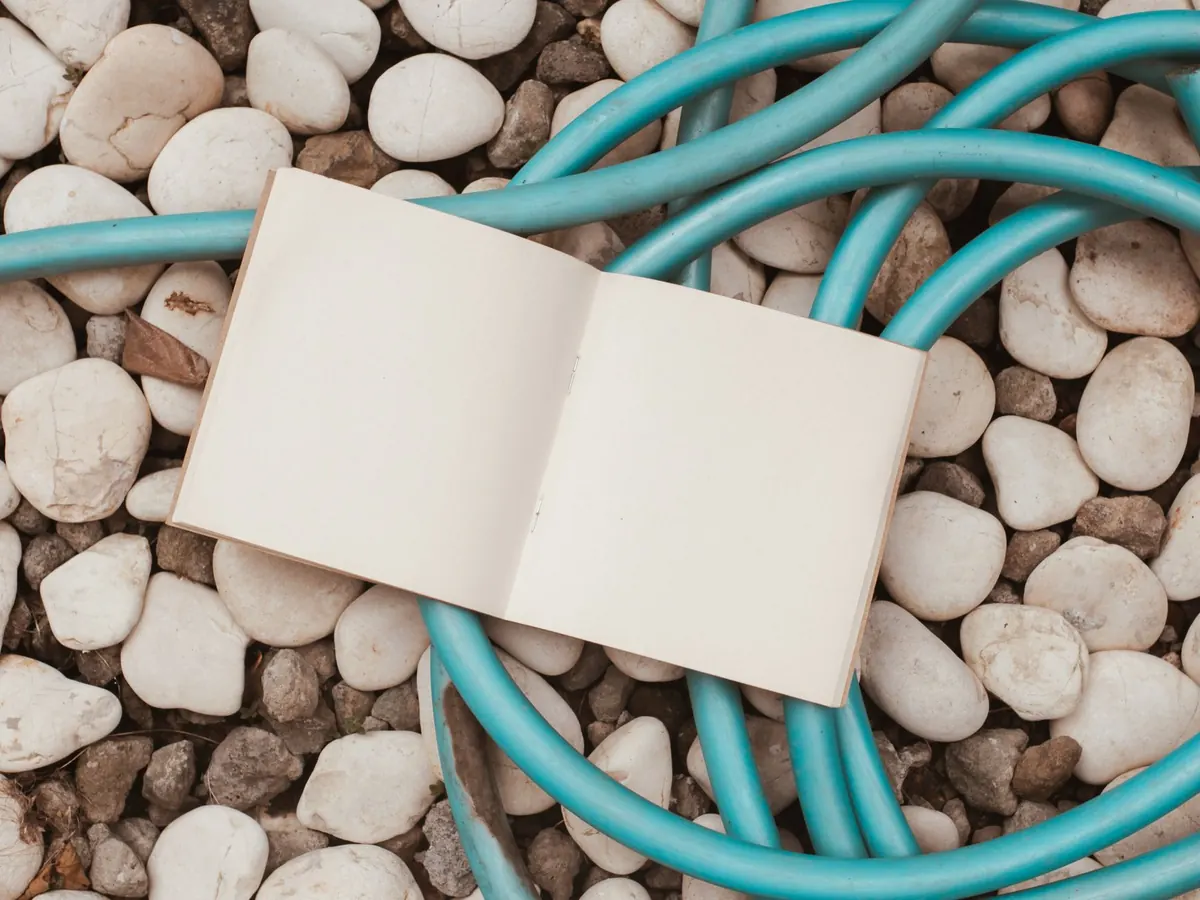
Most garden wildlife is not shy. It is simply fast, small, or timed to a shift you are not working. A bee visits forty flowers while you are making coffee. A blackbird gives a short, sharp alarm call you hear but do not register. A slug finishes a seedling overnight and leaves no forwarding address. You do not need better equipment to catch any of this. You need a notebook you keep near the back door, a pencil, and roughly ten minutes of sitting still.
Cameras are wonderful for the things that pose. They are poor at the things that repeat. What follows is a way of working that turns scattered glimpses into a record you can read back in a month and actually learn from.
A camera pushes you to chase. A notebook teaches you to wait. The moment you decide to photograph a bee, you are already standing up, and the patch of flowers you were watching goes unwatched behind you.
There is a second advantage, and it is the bigger one. A photograph captures what something looked like. A notebook captures when, how often, in what weather, and doing what. Those four details are where the interest lives. A photo of a hoverfly on an allium is a nice picture. A note saying hoverflies were on the alliums every mild evening for nine days, then vanished after two cold nights, is a small piece of natural history that belongs to your garden alone.
Records of absence count too. "No bees on the buddleia today, 11am, breezy" is data. Write it down.
Pick a small, fixed patch: one square metre of border, one shrub, the edge of a pond. Choose a time you can keep — lunchtime, or the last hour of light. Sit at the same distance each session and put the notebook on your knee rather than in your hand.
Then wait. The first two minutes are always disappointing, because your arrival has cleared the area. Stay anyway. Note the time, the cloud cover in rough fractions, whether the wind is moving leaves or whole branches, and how warm the air feels on the back of your hand. That is your header, and it takes forty seconds.
For the rest of the ten minutes, write only what moves. Not names — movements. "Small dark fly, low, zigzagging" is a perfectly good entry. Identification can come later, or never. The habit of noticing comes first, and it is the harder skill.
The single rule that transforms pollinator watching is this: count only insects that actually touch the flower. Everything else is traffic.
Once you apply it, you will find that a border seemingly full of bees is often three bees working hard. You will also start to see preferences. Some visitors work a whole flower spike from the bottom up. Others nip in from the side. Some hover, hold still for a second, and dart away without landing — those are usually hoverflies, and they are worth recording separately because they behave so differently.
Ten minutes of tallying is plenty. Use a stroke for each landing and keep a small key at the front of the notebook so your marks stay consistent. A simple set works well:
Add the plant next to the tally, and the weather at the top of the page. That is all. After three weeks you will have something no field guide can give you: the timetable of your own garden.
You will forget birdsong faster than you think. Two notes can be gone before you have finished saying "that was something." So write the sound down as it happens, badly, in nonsense syllables: tsee-tsee-tsee-churr, pippit-pippit, a thin rising whistle.
Four questions keep it useful:
The last question feels silly and is the one you will remember. Comparisons stick where descriptions slide off.
Songs are the long, structured, repetitive performances, usually delivered from a favourite perch. Calls are the short chips and ticks that keep a flock together or raise an alarm. Most of what you hear on a grey February afternoon is calling, not singing, and learning to tell the two apart removes a lot of confusion. Note which one you heard. It changes what the bird was doing.
Soft ground is a recording tape, and it wipes itself clean within a day or two. Check bare soil, the edges of paths, and any dug patch within a few hours of rain stopping, ideally before the morning school run flattens everything.
You do not need plaster casts to start. Lay a ruler or a coin beside the print and draw the outline roughly — toes, pads, claw marks, the angle of the trail. Write the measurement and the surface type, because a print in wet clay reads larger than the same foot on firm loam. A fox trail tends to run fairly straight, one foot roughly behind the other. A cat walks more quietly, with a softer, rounder print and claws usually retracted.
Signs count as well as tracks: a feather on the lawn, a nibbled cone wedged in a fork, a smear of droppings on a path edge, a neat hole dug in a flowerbed. Note the position and the date. Half the pleasure is in the pattern that emerges months later.
Damaged leaves are a record of a meal, and the shape of the meal tells you something about the mouth that made it.
Ragged holes in the middle of a leaf, with slime trails nearby and damage worst after wet nights, point to slugs and snails. Neat semicircular notches cut from the edges of rose leaves are the signature of leafcutter bees, which take the pieces away rather than eating them on site. Fine pale stippling across a leaf surface, with the leaf curling and looking tired, usually means something has been sucking sap from underneath — so turn the leaf over. Caterpillars are often on the underside too, or folded into a leaf held shut with silk.
Look at what is not damaged as carefully as what is. A garden where every plant is nibbled evenly is telling you something different from one where three plants are wrecked and the rest are ignored. Write down both.
A notebook only pays off if the entries are comparable, so give the week a fixed shape. One page per week, one twenty-minute walk, the same rough route. Date at the top left, weather at the top right, three short observations below, and a line at the bottom for anything odd.
Keep it easy to maintain:
Then, at the end of each month, read back four pages in one sitting. This is the part people skip and the part that matters. You will spot the week the aphids arrived, the fortnight the hoverflies were everywhere, the morning the blackbird switched from calls to song. None of it required a camera, a lens, or a single perfect photograph — just a fixed spot, a regular ten minutes, and a pencil that was within reach.
Photo: ROMAN ODINTSOV / Pexels
Journal the same willow twice in a year: what to record on spring catkins and leaf burst, what to note in...
A seven-day journaling project that tracks temperature, rain, wind and wildlife on the same route at the...
A twenty-minute garden routine that gets children looking closely: simple prompts, quick drawing tasks,...