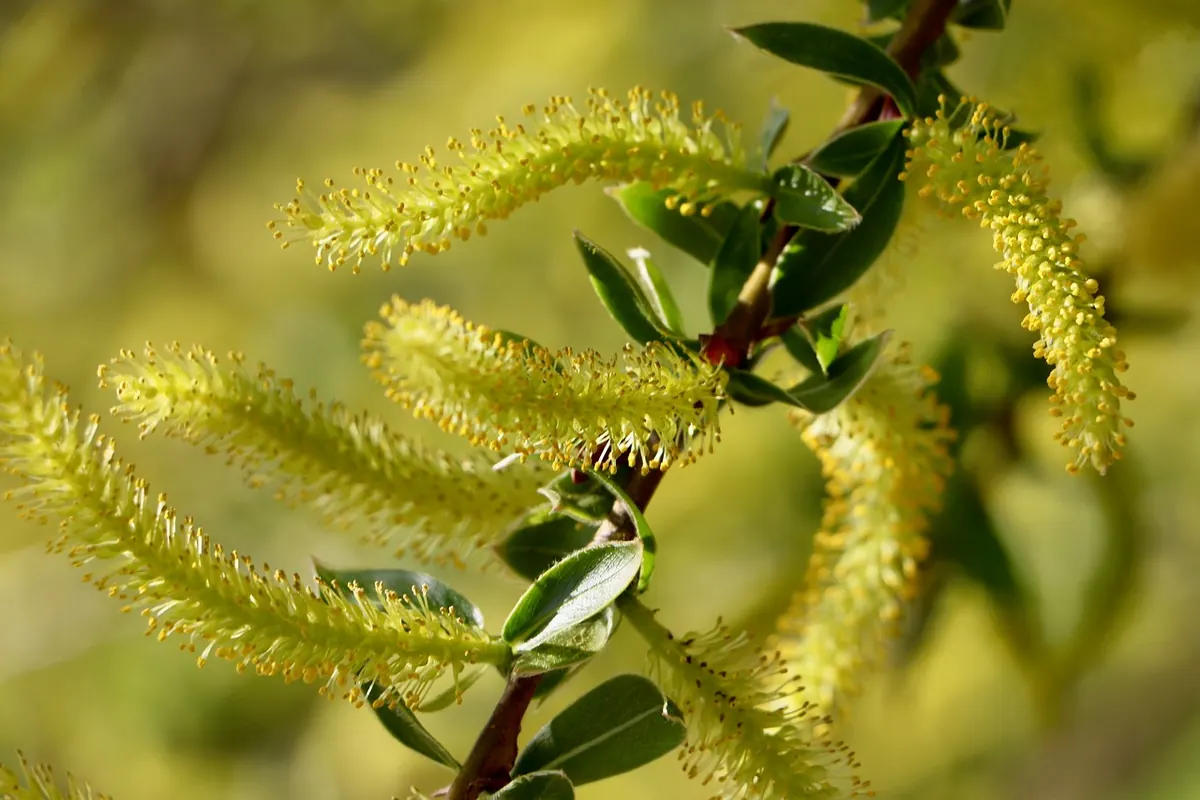
Field Comparison: Journaling a Willow in Spring Versus Autumn
Journal the same willow twice in a year: what to record on spring catkins and leaf burst, what to note in...

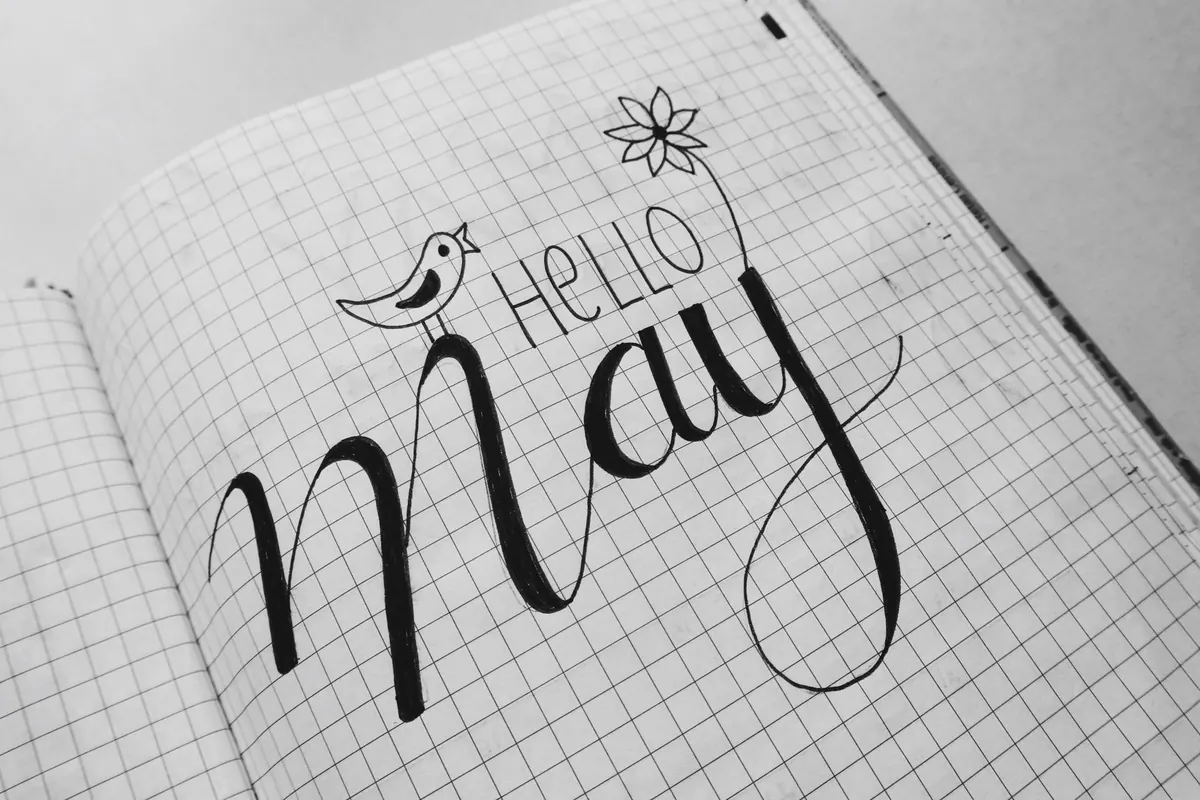
A nature journal is a lenient object. No deadline, no editor, no audience unless you invite one. And yet most journals that stall are not abandoned because the writer lost interest in moss or weather or the shape of a seed pod. They stall because of small habits that crept in quietly: a page that had to be perfect, a list of names that replaced looking, an entry written in ninety seconds at the kitchen table long after the light had gone. None of these are dramatic failures. That is precisely the problem — they feel reasonable, so nobody corrects them until the journal has been closed for a month.
What follows are the habits that stop a journal from being useful, and the fixes that cost almost nothing to try. Most take one entry to test.
It starts with a good notebook. The paper is heavy, the cover is cloth, and the first page is left blank for something worthy of it. Three months later, that page is still blank and the journal is on a shelf. Perfectionism rarely announces itself as perfectionism; it usually sounds like I'll start properly once I know what I'm doing. The awkward truth is that knowing comes from making bad pages, not from waiting.
Break it structurally rather than with willpower. Skip page one deliberately, so there is nothing immaculate to spoil. Date the top corner, write the weather in the margin, and start on page three with a scrawl. Draw a leaf and let one side be lopsided. Cross things out instead of tearing the page out. If a drawing goes badly, add a note beside it in your own hand — stalk too short, midrib wrong — because that note is the most valuable line on the page. Working journals look worked in. A journal that looks like a finished book usually means nobody was learning in it.
Identification is satisfying, and it is easy to let it close an entry. The bird is a goldfinch, the tree is a beech, the name is written down, the page is done. But a name is the end of a question, not the start of an observation. It tells you almost nothing about what happened in front of you.
The fix is a simple rule: for every name you write, write one sentence you could only have written by looking. Not a beech tree but beech, coppery leaves still on the lower branches, but the ones at the top are bare; bark smooth enough to reflect light. If you can't manage a sentence, note the position, the movement, the smell, or the sound.
Two further adjustments help. First, allow uncertainty. A question mark or "cf." beside a tentative identification is honest record-keeping, and it gives you something to check later; a false certainty contaminates the whole entry. Second, describe one thing you cannot name at all. Spend a full minute on the lichen, the fly, the grass at the verge. You will notice structure you would otherwise have walked past — that is the part of the practice that carries over into everything else you look at.
A hurried journal is recognisable from a metre away: no time, no weather, no place beyond a postcode, and adjectives doing the work that details should do. Lovely walk by the river, saw lots of birds. That entry records that you went out; it doesn't record what the outing was like, and in a year you won't be able to picture a single thing in it.
Ten minutes outdoors outranks an hour at the kitchen table. If you only have a little time on site, use a fixed routine:
Writing standing up, with one glove off, is uncomfortable and produces better entries than a warm chair two hours later. Comfort is not the aim; proximity is.
Many journals go empty because their owners are waiting for an event: a rare bird, a clear view of a fox, a good sunset. Ordinary days then feel unworthy of the page, which is a pity, because ordinary days are where the comparisons come from. A journal that only holds highlights cannot tell you that the ash came into leaf eleven days later than you remembered, or that the same corner of the field has been wet since October.
Give yourself a repeatable subject. One tree, one wall, one stretch of path, visited for ten minutes whenever you pass. Record the same handful of things each time — leaf, ground, sound, water — and let the differences do the work. The dull entries become the useful ones.
The classic mistake is drawing the idea of a thing: a robin gets a round red breast, an oak leaf gets a symmetrical lobed outline, a daisy gets a tidy ring of petals. The eye fills in from memory, and the page fills in with a symbol rather than an observation.
Slow the seeing with measurements. Compare a leaf's length to your thumb. Count the petals — you may find a different number than expected. Trace one edge of a shape at a time rather than drawing the whole outline, and look at the subject far more often than at the page. If you photograph first, you will almost certainly draw the photograph instead of the bird, so leave the camera until the sketch is finished. Nobody is grading the result. A diagram, a cross-section, a small map with arrows for wind, or a column of numbers is a legitimate way to fill a page if drawing isn't what you want to do that day.
An unread journal is a pile of paper. The point of writing things down is that you can return to them, compare them, and use them. Half-finished books rarely get revisited because there's no way back in.
Spend five minutes at the end of each month flipping through. Put a star in the corner of any page worth finding again, and add the dates and subjects to an index on the inside cover. At the end of a season, write a short summary — three lines is enough — of what changed, what you saw first, and what you want to look for next. That summary is where a notebook turns into something you know.
Don't rebuild your whole practice. Choose the one habit above that made you wince, and change only that for the next three entries. If perfectionism is the problem, make an intentionally rough page today. If entries have been thin, set a five-minute timer outdoors before you write anything at all. If you've been collecting names instead of observations, describe one unnamed thing in full and look up its name tomorrow.
Three entries is enough to feel the difference: the pages get quicker to start, and the details get easier to find. Keep the journal within reach of wherever you usually sit, date everything, and let it look used. That's the whole method.
Photo: Bich Tran / Pexels
Journal the same willow twice in a year: what to record on spring catkins and leaf burst, what to note in...
A seven-day journaling project that tracks temperature, rain, wind and wildlife on the same route at the...
A twenty-minute garden routine that gets children looking closely: simple prompts, quick drawing tasks,...